Post
How to Properly Clean and Maintain Your Leather Firm-Ground Boots
Jul
How to Properly Clean and Maintain Your Leather Firm-Ground Boots
Leather firm-ground (FG) football boots have long been favored by players for their exceptional comfort, natural touch, and timeless style. Whether you’re competing in weekend leagues, training several times a week, or playing at a professional level, investing in a quality pair of leather boots is only the first step. Proper cleaning and maintenance are essential to preserve their performance, durability, and appearance throughout multiple seasons.
Unlike synthetic football boots, leather requires regular care to prevent drying, cracking, stretching, and premature wear. Exposure to mud, moisture, sunlight, and repeated impact can gradually affect the leather’s flexibility and structural integrity if not addressed properly. Fortunately, with a consistent maintenance routine, your leather firm-ground boots can remain soft, comfortable, and match-ready for years.
This comprehensive guide explains everything you need to know about cleaning, conditioning, storing, and maintaining leather firm-ground football boots to maximize their lifespan while preserving the premium touch and comfort that leather is known for.
Why Leather Boots Require Special Care
Leather is a natural material that responds differently to moisture, temperature, and regular use compared to synthetic uppers.
Proper maintenance helps:
- Preserve leather softness
- Prevent cracking
- Maintain shape
- Improve durability
- Enhance ball control
- Protect stitching
- Extend boot lifespan
- Keep boots looking like new
Neglecting routine care can cause leather to become stiff, brittle, or permanently damaged.


1. Clean Your Boots Immediately After Every Match
The best time to clean your boots is shortly after training or a match, before mud and dirt dry onto the leather.
Begin by:
- Removing loose dirt with a soft brush.
- Tapping the soles together gently.
- Removing excess grass from the studs.
- Taking out the insoles.
- Loosening the laces completely.
Prompt cleaning prevents dirt from absorbing moisture from the leather.
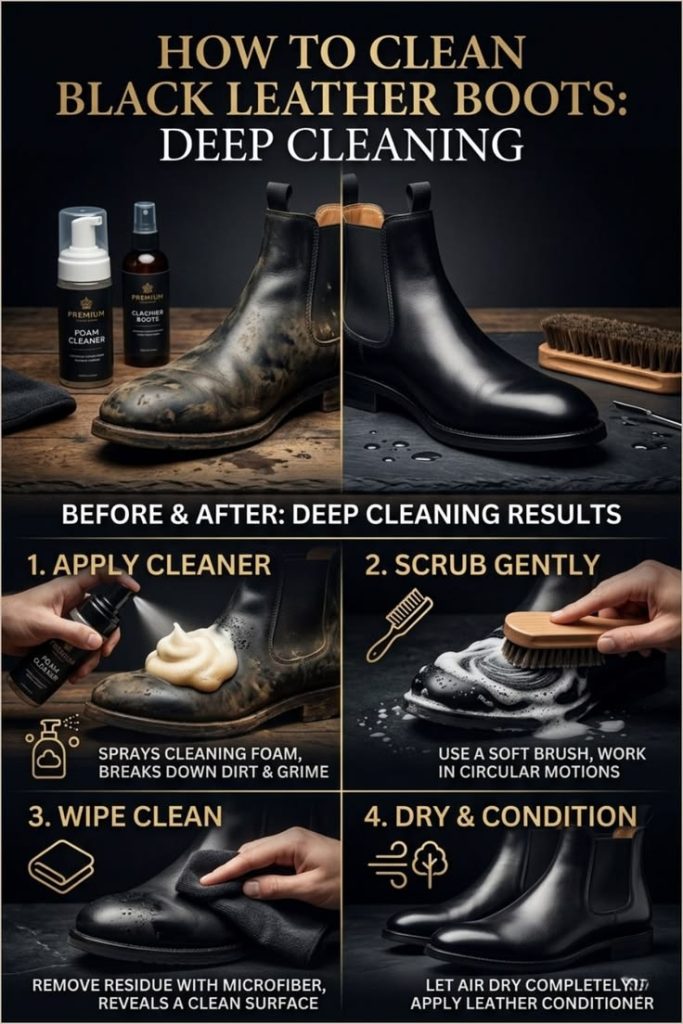
2. Use a Soft Damp Cloth How to Properly Clean and Maintain Your Leather
Avoid soaking leather boots in water.
Instead:
- Use a microfiber cloth.
- Lightly dampen it with clean water.
- Gently wipe the upper.
- Remove remaining dirt carefully.
- Dry with a clean towel.
Too much water may weaken leather fibers and reduce durability.
3. Clean the Soleplate Thoroughly
Firm-ground studs collect mud and grass after every game.
Use:
- A soft brush
- A small wooden stick
- A damp cloth
Remove debris from:
- Between the studs
- Heel area
- Soleplate grooves
Keeping the soleplate clean maintains consistent traction.
4. Remove and Air-Dry the Insoles
Sweat accumulates inside football boots during every session.
After playing:
- Remove insoles.
- Allow them to air dry.
- Clean with a damp cloth if necessary.
- Replace only after completely dry.
This reduces moisture buildup and helps prevent unpleasant odors.
5. Let Boots Dry Naturally
One of the biggest mistakes players make is drying boots with excessive heat.
Never place leather boots:
- On radiators
- Near fireplaces
- Under hair dryers
- In direct sunlight
- Inside tumble dryers
Instead:
- Stuff the boots with newspaper or paper towels.
- Allow them to dry at room temperature.
- Replace the paper if it becomes damp.
Natural drying helps the leather retain its flexibility and shape.


6. Apply Leather Conditioner Regularly
Leather gradually loses natural oils over time.
A quality leather conditioner helps:
- Restore moisture
- Prevent cracking
- Maintain softness
- Improve flexibility
- Extend lifespan
Apply conditioner:
- Every few weeks during the season
- After deep cleaning
- More frequently if playing in wet conditions
Use only products specifically designed for leather sports footwear.
7. Polish When Appropriate
Some smooth leather boots benefit from occasional polishing.
Benefits include:
- Enhanced appearance
- Additional protection
- Water resistance
- Restored shine
Avoid excessive polishing, as too much product may clog the leather’s natural pores.
8. Protect Boots from Excessive Moisture
Although football is often played in wet weather, prolonged exposure to moisture can damage leather.
After rainy matches:
- Dry boots immediately.
- Remove insoles.
- Clean mud thoroughly.
- Allow complete drying before storage.
Never leave wet boots inside your equipment bag overnight.
9. Store Boots Correctly
Proper storage significantly affects longevity.
Store boots in:
- A cool location
- A dry environment
- A breathable boot bag
- A well-ventilated shelf
Avoid:
- Plastic bags
- Humid garages
- Hot car interiors
- Direct sunlight
Good storage prevents mold, unpleasant odors, and leather deterioration.
10. Inspect Boots Regularly
Routine inspections allow you to identify small issues before they become major problems.
Check for:
- Loose stitching
- Worn studs
- Soleplate separation
- Heel wear
- Leather cracks
- Torn linings
Early repairs often extend the lifespan of premium football boots.


Common Mistakes That Damage Leather Boots
Avoid these common errors:
- Soaking boots in water
- Using harsh detergents
- Drying with direct heat
- Leaving mud on overnight
- Storing wet boots
- Ignoring cracked leather
- Using household chemicals
- Wearing FG boots on artificial turf
These habits significantly reduce the lifespan of leather football boots.
Recommended Cleaning Routine
After Every Match
- Brush away dirt.
- Wipe with a damp cloth.
- Remove insoles.
- Air dry naturally.
Weekly
- Clean thoroughly.
- Inspect stitching.
- Check soleplate condition.
Monthly
- Apply leather conditioner.
- Clean the inside thoroughly.
- Inspect for signs of wear.
A consistent routine keeps boots performing at their best.
How Long Should Leather FG Boots Last?
Lifespan depends on usage frequency and maintenance.
General estimates:
- Casual players: 2–4 years
- Weekly players: 18–24 months
- Competitive players: 12–18 months
- Daily training: inspect regularly for structural wear
Proper care can significantly extend these timeframes.
Signs It’s Time to Replace Your Boots
Even well-maintained boots eventually wear out.
Replace your leather boots if you notice:
- Deep cracks in the leather
- Soleplate separation
- Flattened studs
- Reduced cushioning
- Significant heel movement
- Torn internal lining
- Persistent discomfort
Playing in worn boots can affect both performance and safety.
Additional Tips for Long-Term Care
To maximize durability:
- Rotate between two pairs if you play frequently.
- Wear boots only on firm natural grass.
- Replace worn laces promptly.
- Use shoe trees during storage.
- Clean boots after every session.
- Avoid unnecessary exposure to rain when not playing.
- Carry boots in a breathable bag.
Small maintenance habits make a significant difference over time.
Learn More About Football Equipment Care
For official information on football equipment and best practices, visit:
https://inside.fifa.com/football-development
Final Thoughts
Leather firm-ground football boots remain a favorite among players because of their unmatched comfort, natural touch, and classic style. However, maintaining these premium boots requires consistent care and attention. Cleaning them after every match, conditioning the leather regularly, drying them naturally, and storing them properly all contribute to preserving their flexibility, durability, and performance.
Whether you’re a recreational player or a competitive athlete, taking a few extra minutes to care for your leather boots can significantly extend their lifespan while ensuring they continue to deliver the comfort and control that make leather football boots so highly valued. With the right maintenance routine, your investment will reward you with reliable performance and timeless quality for many matches to come.
